Current research
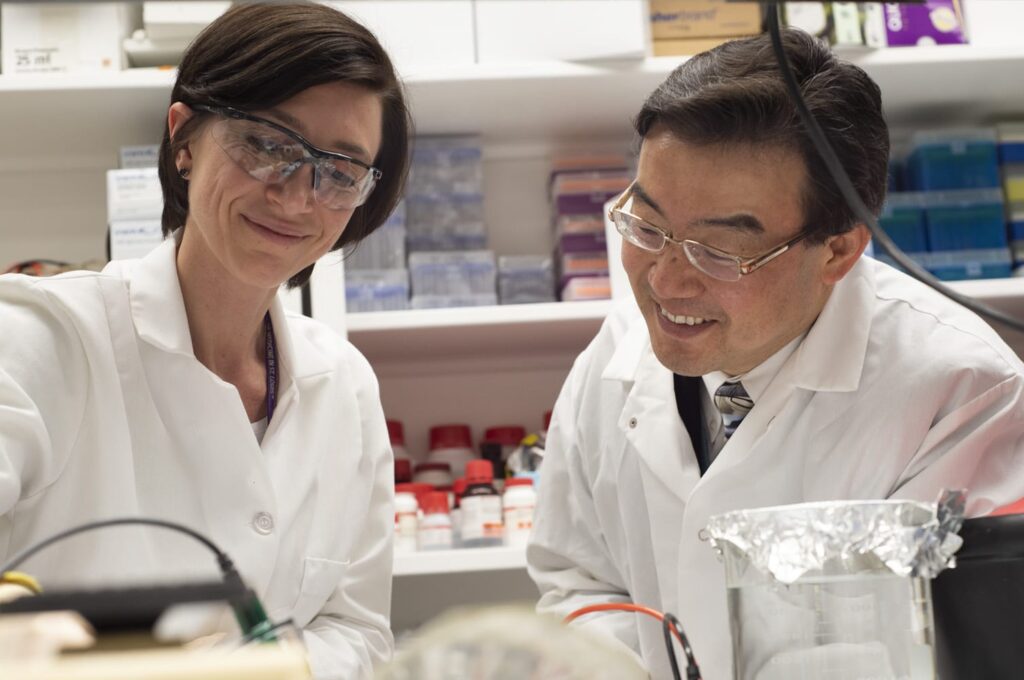
Our research is highly diverse and includes topics ranging from embryogenesis, cell reprogramming and organogenesis to aging and stem cell engineering.
Our ongoing and future work will focus on new and emerging areas of developmental biology, such as epigenetics and genomics.
Model systems
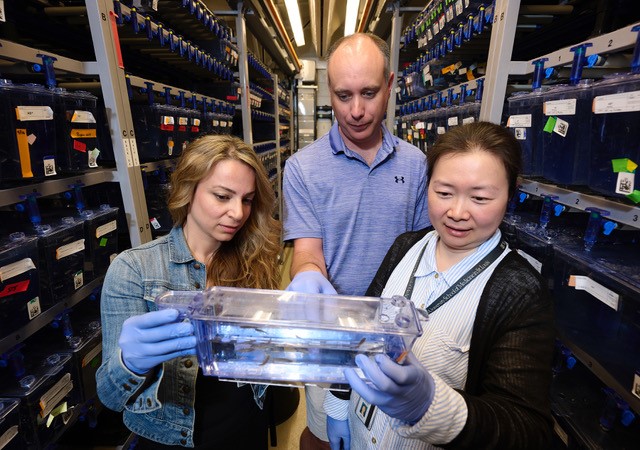
We house one of the largest zebrafish facilities in the world. Along with zebrafish (D. rerio), we study several other model systems, including the fruit fly (D. melanogaster), nematode (C. elegans) and mouse (M. musculus), as well as tissue culture systems and embryonic stem cells.
Latest news

Ena Haseljic has won an Outstanding GRC Participant (best poster) Award
Congratulations to Ena Haseljic! Ena Haseljic, grad student in the Pollina lab, has won an Outstanding GRC Participant (best poster) Award at the 2026 Neural Genetics and Epigenetics Conference GRC for her poster entitled “A non-canonical role for DNA repair factor RAD52 in activity-dependent neuroplasticity.”

Aaron DiAntonio, MD, PhD, has received a new National Institute on Aging Award
Congratulations to Dr. Aaron DiAntonio! Aaron DiAntonio, MD, PhD, Alan A. and Edith L. Wolff Professor of Developmental Biology, has received a four-year award from the NIH/National Institute on Aging beginning August 6, 2026, for his project entitled “NAD subcellular compartmentalization drives resilience to aging-associated neurodegeneration.” This is a multi-PI award shared with Jeffrey Milbrandt, […]
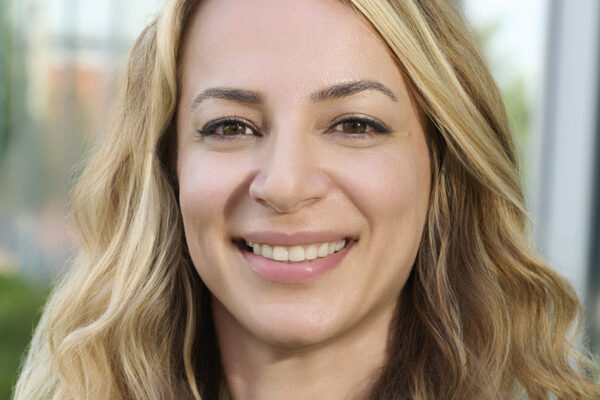
Mayssa Mokalled, PhD, has received a new National Institute of Neurological Disorders and Stroke Award
Congratulations to Dr. Mayssa Mokalled! Mayssa Mokalled, PhD, Associate Professor of Developmental Biology, has received a two-year award from the National Institute of Neurological Disorders and Stroke beginning July 2, 2026, for her project entitled “Reprogramming astrocytes to promote neural repair.”